Smart technology is transforming public transit through real-time data and connected devices. Transit agencies collect GPS, sensor, and fare data to optimize routes, schedules, and maintenance. This data supports better reliability, safety, and accountability, while informing governance and privacy safeguards. Tap-to-Transit and interoperable fares ease access and transfers. As systems become more autonomous and inclusive, policy frameworks must balance efficiency with oversight, leaving questions about implementation, equity, and long-term impacts for stakeholders to confront.
What Smart Tech Is Doing for Public Transit
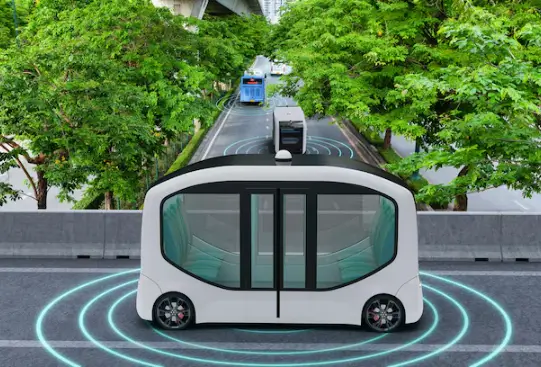
Smart technology is transforming public transit by enabling real-time data collection, analysis, and responsive operations. The approach supports autonomous fleets and enhances reliability through predictive maintenance, reducing unexpected failures and extending asset lifespans.
Data-driven governance informs policy choices, prioritizes safety, and allocates resources efficiently. Operators gain clarity on performance metrics, enabling transparent accountability and freedom to optimize services without sacrificing oversight.
Real-Time Data: Speeding Up Trips and Reducing Delays
Real-time data streams from sensors, GPS, and linked devices enable dynamic scheduling and precise timing analyses that shorten trip durations and curb delays.
This approach supports trip optimization through continuous feedback and adaptive routing, while governance frameworks address privacy concerns and ensure transparent data usage.
Policy implications emphasize data quality, interoperability, and accountable collection practices, facilitating safer, more efficient urban mobility.
Tap-to-Transit: Contactless Payments and Seamless Transfers
Tap-to-Transit systems enable contactless payments and seamless transfers across multi-operator networks, reducing cash handling and transaction friction for riders. Data-driven rollout emphasizes interoperability, standardized fare schemas, and cross-agency settlement models to preserve rider autonomy. Predictive maintenance minimizes downtime, while informed policy shapes equitable access. Fare cusing is mitigated by clear caps and real-time balance transparency, supporting transparent, freedom-enhancing mobility.
The Road Ahead: Autonomy, Accessibility, and Data Privacy
As transit systems scale, the road ahead centers on autonomy, accessibility, and data privacy, requiring rigorous evaluation of automated operations, inclusive design standards, and governance frameworks that limit risk while expanding service reach.
The governance emphasis—transparent algorithms, autonomous accessibility, and robust oversight—frames policy choices. Data-driven analyses support scalable, affordable solutions while safeguarding privacy, enabling public trust and broader mobility benefits through responsible deployment.
Frequently Asked Questions
How Secure Is Passenger Data From Smart Transit Systems?
The question concerns security: passenger data in smart transit is safeguarded by privacy safeguards and clear data ownership policies, with ongoing risk assessments; analyses show that resilience and transparency support user autonomy while balancing operational efficiency and freedom.
What Happens During System Outages or Outages of Real-Time Data?
Outages trigger predefined outage response protocols and manual overrides, ensuring service continuity. In such events, agencies prioritize data continuity, revert to offline schedules where feasible, and communicate impact transparently while pursuing rapid restoration and post-incident analysis.
Are Low-Income Riders Equally Benefitted by Smart Tech?
Low-income riders do not automatically benefit equally; affordable access and fare equity require targeted subsidies, inclusive payment options, and transparent pricing. Data-driven evaluation shows disparities persist unless policies prioritize affordability, interoperability, and progressive fare structures for broad freedom of mobility.
See also: How Cloud Computing Is Transforming Modern Businesses
How Are Privacy Concerns Balanced With System Optimization?
A 62% efficiency gain illustrates balance; privacy controls, data minimization, and data governance ensure compliance while enabling urban mobility. The approach emphasizes transparency, user consent, accessibility compliance, ethical AI, vendor risk, and pragmatic policy alignment.
Will Autonomous Buses Reduce Overall Emissions and Noise?
Autonomous buses are expected to achieve emission reduction and noise mitigation, though results depend on fleet size, routing, and energy mix. Data-driven analyses indicate modest to significant gains, with policy-focused investments shaping practical, scalable outcomes for freedom-focused urban mobility.
Conclusion
Smart technology integrates sensors, GPS, and connected devices to streamline transit operations, enabling data-driven scheduling, predictive maintenance, and transparent performance metrics. Real-time data reduces delays and trip durations, while tap-to-transit and interoperable fares simplify rider access. The road ahead combines autonomy, accessibility, and robust privacy governance to balance efficiency with accountability. In this data-driven landscape, policymakers should constrain risk with clear oversight, because, like a well-tuned engine, smart transit thrives on precise inputs and measured outputs.